Turning Food Waste into Biosurfactants
Every day, 2.8 million tonnes of food waste is discarded, but with the right science, those waste streams become the building blocks for a more sustainable, circular future.
We invite you to follow the journey of BioEterna™, our patented fermentation process that transforms local waste sugars and oils into 100% waste-derived ingredients, step by step.
No palm. No petroleum. No compromise.
Step 1
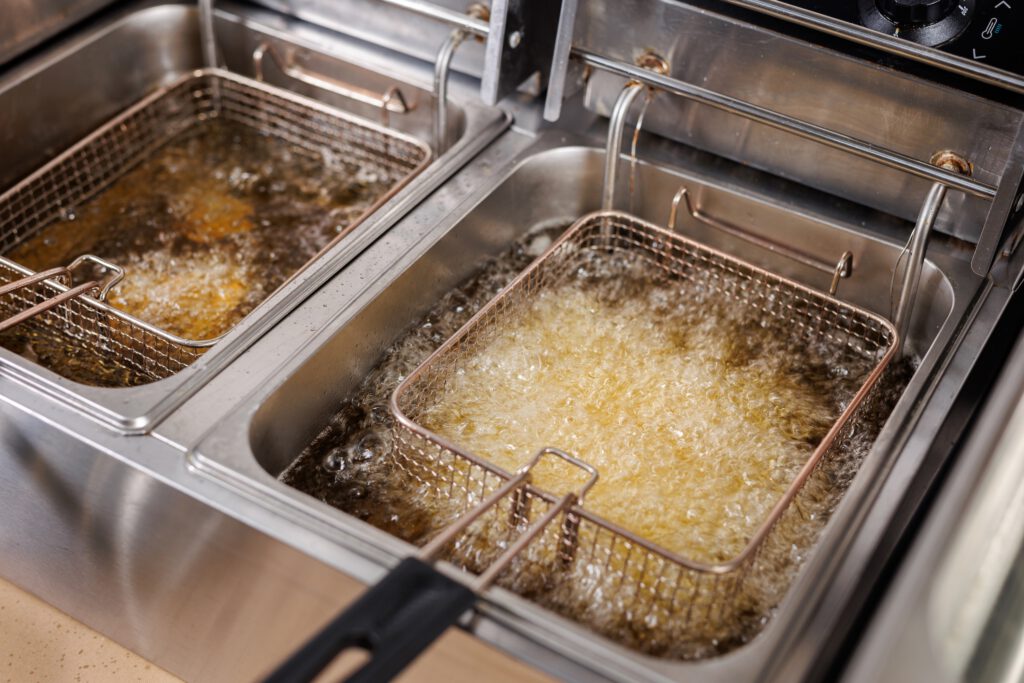
Start With Waste
- Supporting regional supply chains and strengthening local circular economies.
- Reducing reliance on virgin agricultural and petroleum-based feedstocks.
Step 2
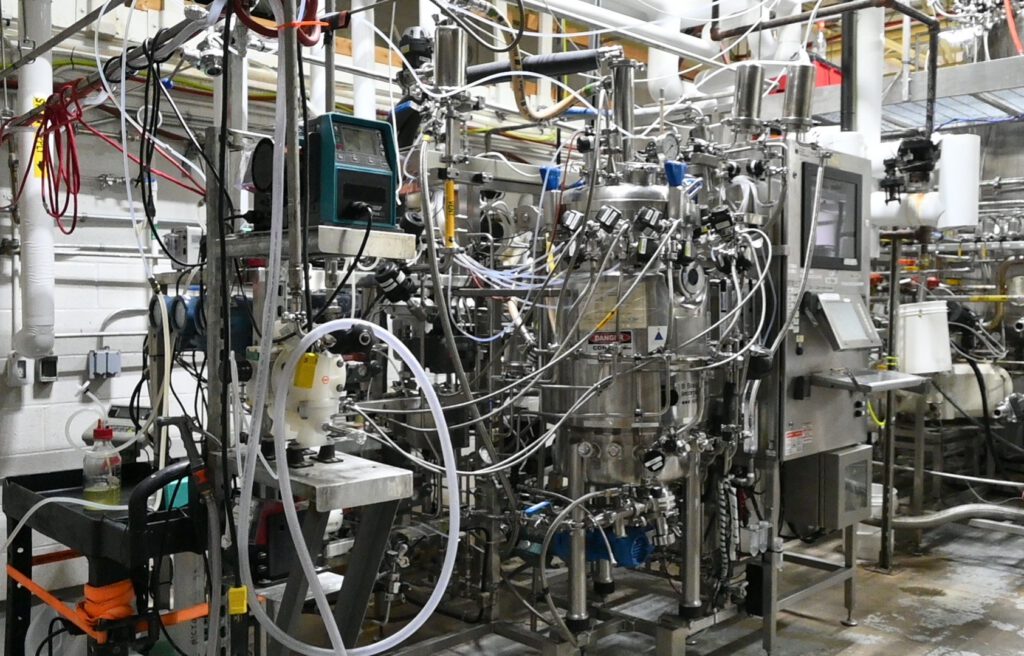
Precision Fermentation
- Naturally occurring microorganisms consume these nutrients as part of their normal metabolic activity.
- The process is monitored to ensure consistency, purity, and performance of the final ingredient.
Step 3
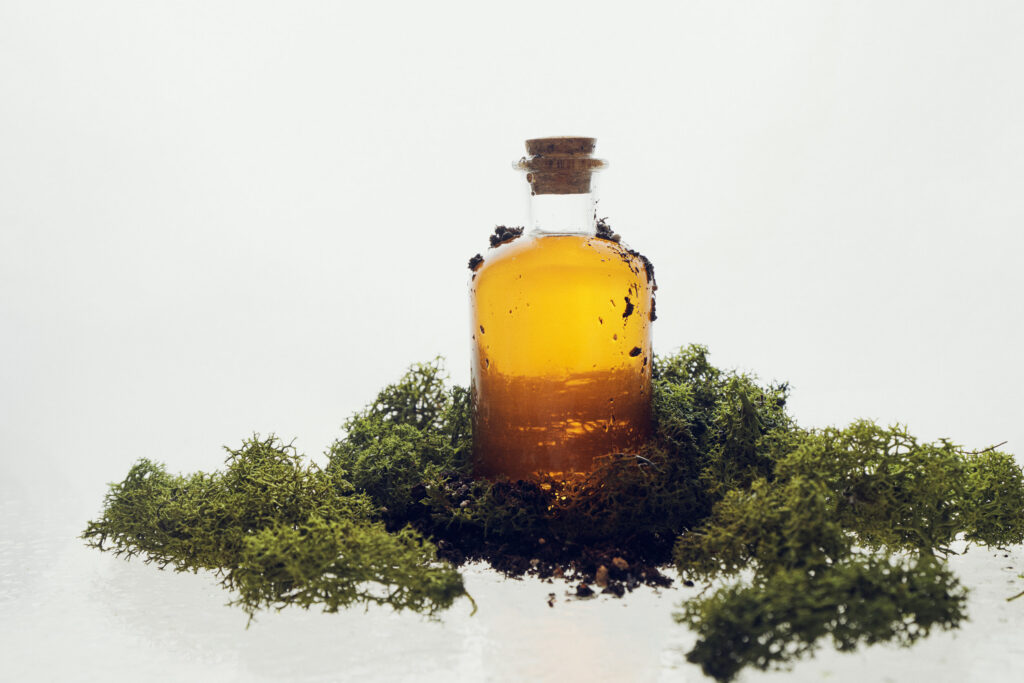
Separation, Refined
- Separation process guarantees performance, safety, and reliability at commercial scale.
- Final product is free from living organisms and ready for industrial use.
Sustainable by design. Proven by results.
What are biosurfactants?
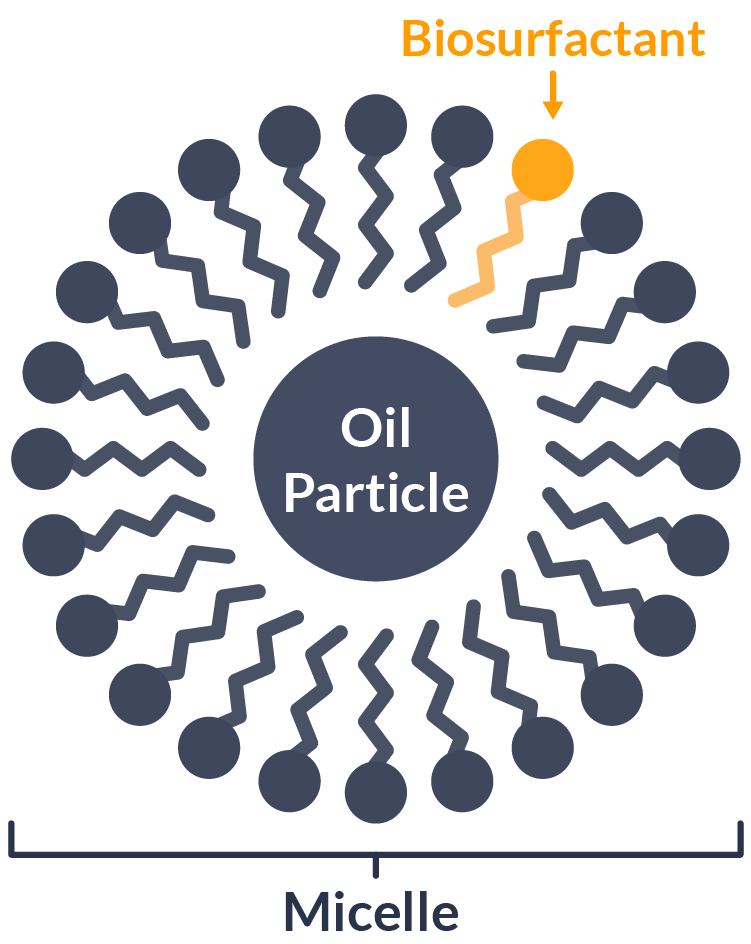
Biosurfactants are natural, soap-like substances made by microbes, such as bacteria and fungi. Just like traditional surfactants, they help mix two phases that don’t mix, such as oil and water, by latching onto oily particles with tiny structures called micelles, breaking them down for easier cleaning and removal.
Simply put, biosurfactants are structurally different but functionally the same as conventional surfactants.
Introducing PuraSurf M™
PuraSurf M™ is the first member of the PuraSurf™ family, and the world’s first biosurfactant made entirely from food waste.
Designed to deliver powerful cleaning, foaming, and emulsifying performance, PuraSurf M™ offers a sustainable alternative to synthetic and bio-based surfactants derived from palm or petroleum.
It integrates smoothly into formulations with minor adjustments, enabling formulators to meet both performance and sustainability goals.
FAQs
Biosurfactants are naturally-derived surfactants that disperse oil. The molecules envelope oil particles – hydrocarbons – in a structure called micelles, breaking down and separating them for ease of removal.
No, there are no microbes in our final products – our surfactants are meticulously extracted from the fermentation process, ensuring no microbial traces.
The main difference is in how they are produced – surfactants (ie; synthetic) are typically derived from petroleum or palm via chemical processes , while biosurfactants are derived from biological organisms. The specific molecular structures differ, however functionally they play the same role.